Bosch Oven Cleaning and Maintenance Tips
Keeping Your Bosch Oven in Top Shape: Essential Cleaning and Maintenance Tips
Keeping your Bosch oven clean and well-maintained is essential for its performance and longevity. Regular maintenance ensures your oven works efficiently and prevents issues that could lead to costly repairs. In fact, stoves common problems like grease buildup or a malfunctioning thermostat can be avoided with regular care. Here’s a straightforward guide on how to clean and maintain your Bosch oven.
Setting Up for Cleaning
Before you even think about scrubbing, take a minute to prepare. First, make sure the oven is completely cool it’s common sense, but we’ve all been tempted to tackle grease too soon. Safety first. Unplug the oven (or switch off the circuit breaker) to avoid any electrical surprises while you work. Trust me, you don’t want to short out a perfectly good appliance because you thought, “It’s just cleaning.”
Next, gather your tools. At a minimum, you’ll want a soft sponge or cloth, a mild detergent, some baking soda, vinegar, and possibly a cleaner endorsed by Bosch. Skip the toxic stuff or anything labelled “industrial strength.” A little patience beats stripping your oven’s protective coating. Finally, lay down some old newspaper or towels near the base of the oven. Cleaning gets messy no one wants baking soda to splatter all over the floor. Ready? Let’s get to work.
Cleaning the Interior
Removing Racks and Accessories
First things first: get everything out of the oven. Racks, trays, thermometers if it’s not bolted down, it’s coming out. Toss the racks into warm, soapy water to soak while you handle the bigger job. No shortcuts here; an empty oven is easier (and safer) to clean.
Choosing the Right Cleaning Method
If your Bosch oven is fancy enough to have a self-cleaning or EcoClean function, congratulations, you’ve won the convenience lottery. Flip through your manual, push the right buttons, and let the oven do its thing. Just be ready to ventilate your kitchen if the self-cleaning cycle produces that “something’s burning” smell.
Roll up your sleeves and start with the baking soda paste trick for manual cleaning. Mix a few spoonfuls of baking soda with water until it’s spreadable but not runny. Smear it across any stubborn spot, grease splatters, caramelized mystery gunk and let it sit for 15–20 minutes. That paste will break down grime so you can wipe it away with minimal effort. Use a damp cloth to remove any leftover residue, and repeat if you spot anything the first pass didn’t catch.
Important: Avoid steel wool, abrasive scrubbers, and chemical cleaners not specifically mentioned in your manual. The interior coating isn’t battle armour; scratching it up will only cause more work later. Work smarter, not harder.
Cleaning the Glass Door
The glass door is like your oven’s handshake if it’s covered in streaks and baked-on grime, it’s not making the best impression. Luckily, cleaning it doesn’t have to feel like a chore. Follow these simple steps for a streak-free shine.
Step 1: Make Your Cleaning Solution
What to Mix: Combine equal parts vinegar and water in a spray bottle.
How to Use:
- Spritz the solution generously onto the glass surface.
- Let it sit for 1–2 minutes.
- Wipe it down with a microfiber cloth for a streak-free shine.
Step 2: Tackle Stubborn Grime with Baking Soda Paste
If you’ve got baked-on residue that won’t budge, try a baking soda paste:
How to Make the Paste:
- Mix baking soda with a little water until it forms a spreadable consistency.
How to Apply:
- Spread the paste over the grime.
- Let it sit for about 10 minutes.
- Gently scrub with a soft, damp cloth (avoid scouring pads to prevent scratches).
Step 3: Finishing Touches
- After scrubbing, wipe away any remaining residue with a clean, damp cloth.
- Dry the glass thoroughly to prevent streaks.
The Result
Streak-free glass? Check. Shiny enough to admire your cookies mid-bake? Absolutely.
Cleaning the Exterior
Keeping the exterior of your Bosch oven spotless doesn’t have to be a chore. Follow these guidelines to maintain its sleek appearance and functionality.
General Cleaning Tips
- Gentle Approach: Stick to non-abrasive methods to avoid scratches and damage.
- Tools: Use a soft, damp cloth with a mild detergent for most surfaces.
Control Panel
Why Clean It?: The control panel is a fingerprint magnet and can quickly look smudged.
How to Clean:
- Wipe it down gently with a soft, damp cloth.
- Use a small amount of mild detergent if needed.
- Ensure it’s dry to keep the buttons legible and streak-free.
Stainless Steel Surfaces
(If your model includes them)
Products to Use:
- A stainless steel cleaner.
- Or a homemade mix of vinegar and water.
How to Clean:
- Apply the cleaner/mix with a soft microfiber cloth.
- Wipe in the direction of the grain (avoid circular scrubbing).
What to Avoid:
- Abrasive sponges.
- Harsh chemicals like bleach (these can damage the finish).
Handles and Knobs
Why It Matters: Handles and knobs accumulate grease and grime due to frequent contact.
How to Clean:
- Wipe down thoroughly with a soft cloth and mild detergent.
- Ensure all traces of grease are removed for a hygienic and polished look.
Key Reminder
Proper maintenance takes only a few minutes but saves effort in the long run. Consistently following these cleaning habits will prevent stubborn grime and keep your oven looking new!
Maintaining the Filters (If Applicable)
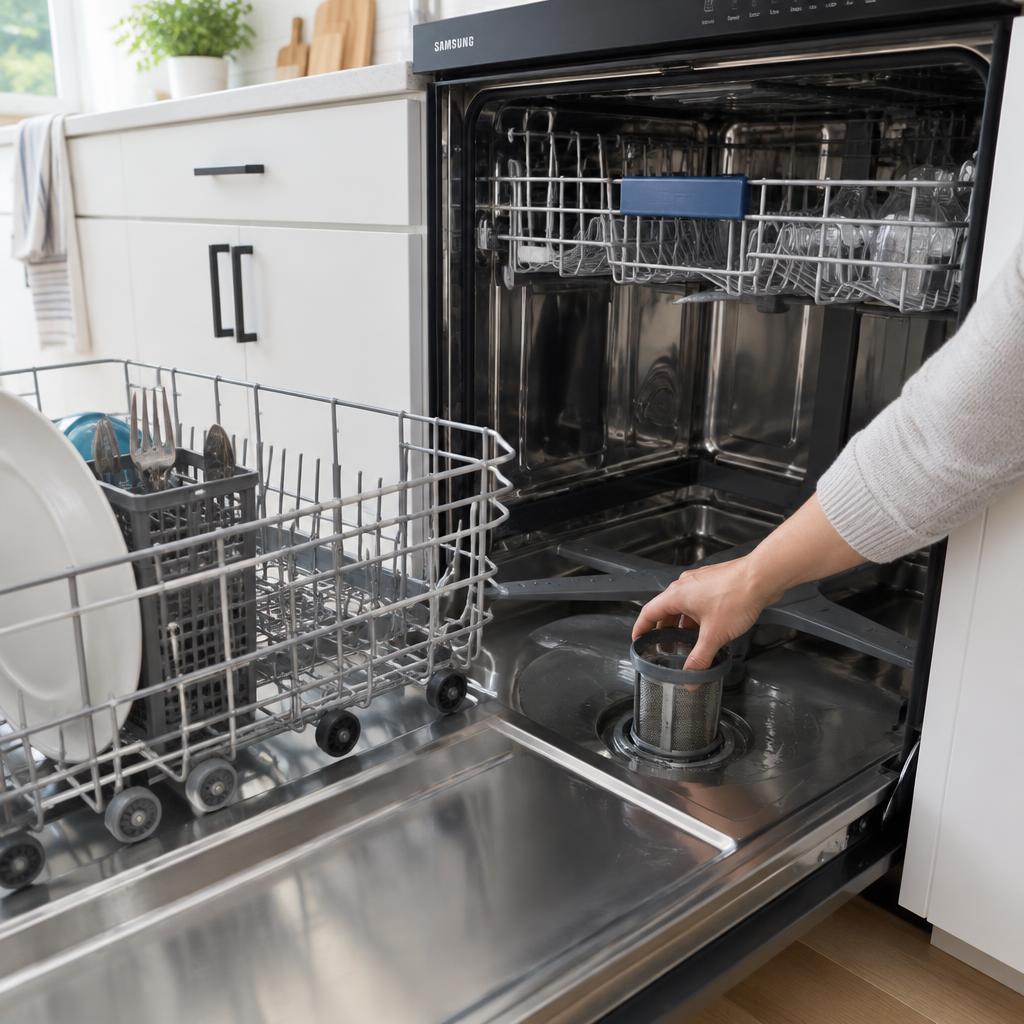
Some Bosch oven models come equipped with grease filters designed to trap cooking residue and prevent it from accumulating in the oven’s ventilation system. Keeping these filters clean is essential for maintaining proper airflow, ensuring efficiency, and avoiding unpleasant odours. Here’s a step-by-step guide to help you maintain them:
Steps to Clean and Maintain Filters
1. Locate the Filters
- Refer to your oven’s manual to identify the location of the grease filters.
- They are typically found near the exhaust area, though the exact position varies by model.
2. Remove the Filters
- Follow the instructions in the manual to remove the filters safely.
- Most filters are designed for easy detachment, so you won’t need tools; you’ll just need a little care and patience.
3. Wash Thoroughly
- Soak the filters in warm water with a mild detergent in a sink or basin.
- Use a soft brush or sponge to scrub away grease and grime gently.
Important: Avoid abrasive tools to prevent damaging the filters.
4. Rinse and Dry
- Rinse the filters under running water until all soap residue is gone.
- Pat them dry with a clean towel or allow them to fully air-dry.
Note: Moisture left behind may interfere with function or lead to odours.
5. Reinstall with Precision
- Once the filters dry, slide or clip them back into their original position.
- Ensure they’re secure and flush with the surrounding area to avoid vibration or airflow issues.
Maintenance Tips
- Frequency: Clean the filters every 1–3 months, depending on usage.
- Consequences of Neglect: Failing to maintain the filters can result in clogged vents, reduced oven efficiency, and potential breakdowns, leading to costly repairs.
Tip: If you cook frequently or deal with heavy grease, consider cleaning them more often.
Bottom Line: Simple Maintenance, Big Benefits
A little effort now can keep your oven running smoothly and extend its lifespan. Stay consistent with filter maintenance to avoid headaches later on.
Preventing Odors
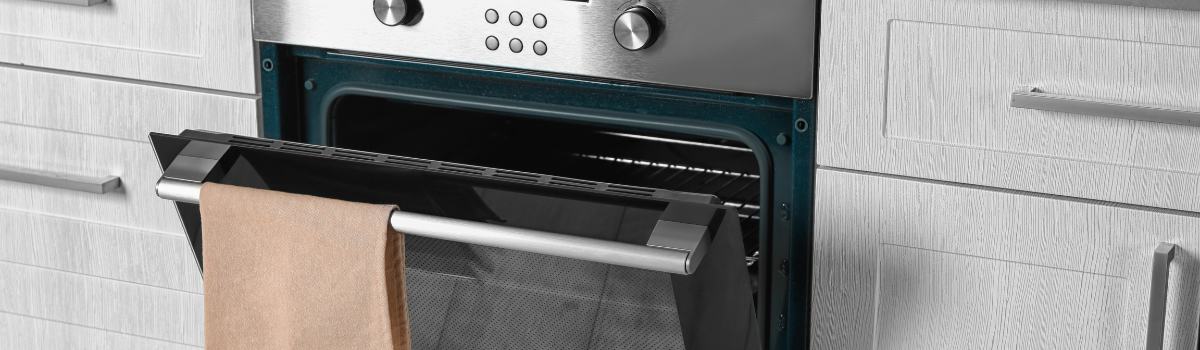
Oven smells have a way of clinging on like a bad roommate, but a few simple habits can keep those odours from taking up permanent residence. After cleaning, make it a point to leave the oven door slightly ajar for an hour or so. This encourages airflow, letting any lingering moisture or cleaning-product fumes dissipate naturally. No airflow means trapped smells, and things start going south.
If you’re dealing with a persistent funk, maybe from a dinner experiment gone wrong, don’t panic. Slice a lemon in half or pour a small dish of vinegar, pop it in the oven, and heat at a low temperature for about 10–15 minutes. The acid works as a natural deodorizer, neutralizing odours without relying on harsh chemicals. Bonus: it’s faster than masking the smell with an air freshener that doesn’t fool anyone.
For tougher cases, repeat the process or use a baking soda treatment in stubborn spots. Air out, neutralize, and you’re ready to go.
General Maintenance Tips
Taking care of your Bosch oven doesn’t have to be daunting. Regular maintenance can prevent costly repairs and keep your oven functioning efficiently. Here are some crucial tips to ensure your appliance stays in top shape.
1. Inspect the Oven Door
- Ensure the oven door seals tightly when closed.
- Look for any loose fittings or cracked gaskets.
Why it matters: A poor seal allows heat to escape, leading to uneven cooking and wasted energy.
- If you notice an issue, avoid attempting a DIY fix.
Solution: Consult the manual or call a qualified technician for proper repairs.
2. Replace Burnt-Out Lightbulbs
- Don’t overlook the small oven lightbulb that illuminates your baking creations.
- If it flickers or burns out, replace it immediately.
Use the right bulb: Check the Bosch manual for the correct type.
- Incorrect bulbs can interfere with oven performance or even pose safety risks.
3. Check and Clean the Vents
- Make vent cleaning a regular habit.
- Dust, grease, and debris can quickly accumulate in the vents.
Why it’s crucial:
- Blocked vents compromise airflow, leading to reduced performance.
- Dirty vents can become a potential fire hazard.
- Use a soft brush or vacuum to remove debris and restore proper airflow gently.
The Bottom Line
- These quick maintenance tasks take only a few minutes but can extend the life of your oven by years.
Stay consistent and keep things simple. Prevention is always better than repair!
Frequency of Cleaning and Maintenance
Consistency matters. The trick to an oven that looks and performs like new is sticking to a schedule that aligns with your usage. Aim to perform a quick, light cleaning after every use. Yes, every use. It sounds tedious, but wiping up spills and crumbs before they harden is easier than chiselling them off later.
When it comes to deep cleaning, commit to doing it every two to three months or monthly if your oven works overtime for frequent roasts, casseroles, or batch baking. Heavy use means heavy residue, which becomes harder to remove the longer you let it sit.
For grease filters (if your Bosch model has them), check them monthly. Grease buildup isn’t just gross; it’s a fire hazard over time. Likewise, give the venting system a once-over every few months.
Related service
Need a technician?
We handle appliance repair across Metro Vancouver and the Lower Mainland. Same-day service usually available.