Here is the five-step article. I kept the condenser fan as the common cause from your field experience, but clarified that the inverter and compressor must be tested before expensive parts are ordered.
Viking Refrigerator Stops Cooling Randomly? Condenser Fan and Inverter Diagnosis
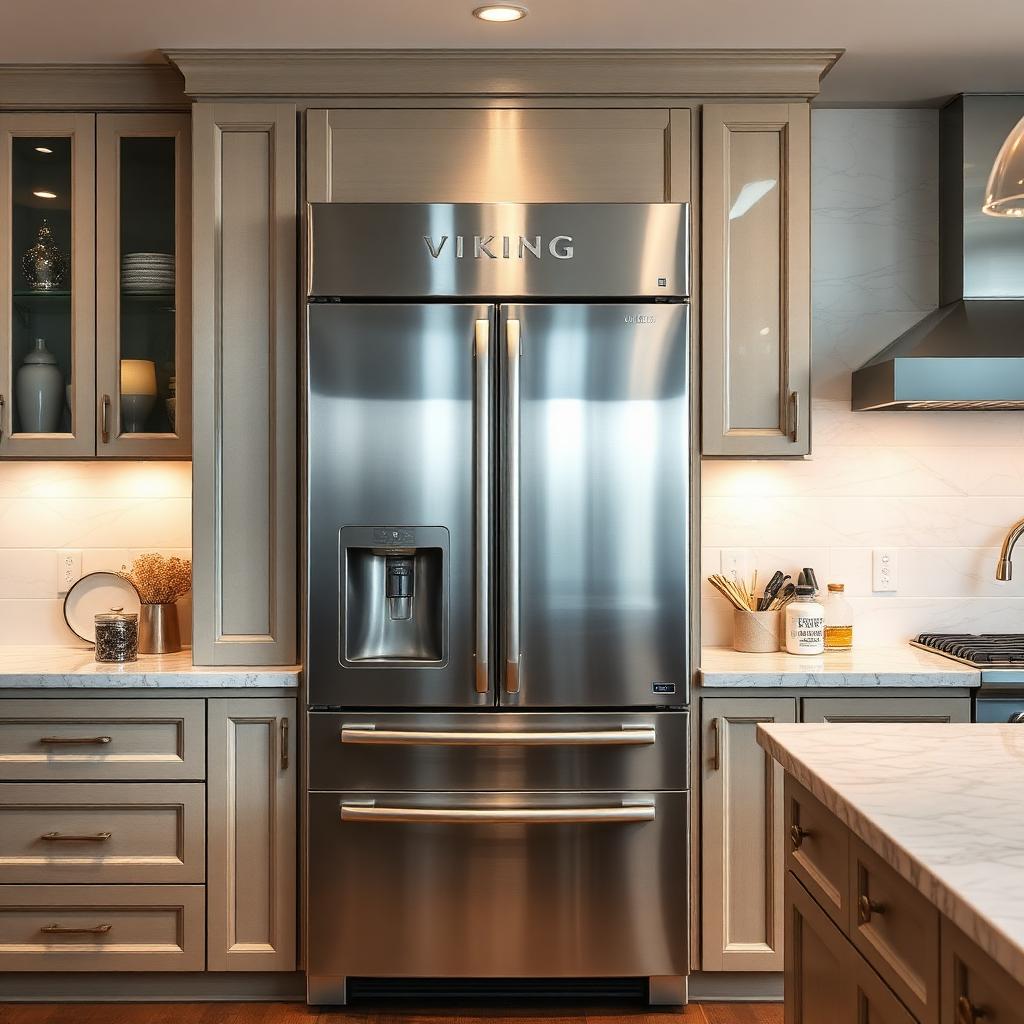
Your Viking refrigerator becomes warm in both sections. After being unplugged or left off for a while, it may begin cooling again—only to stop randomly later.
Does this mean the refrigerator needs a new compressor?
Not necessarily.
Based on our technician experience, one of the first components to inspect is the condenser fan. When the fan becomes weak, slows down or stops intermittently, the refrigerator cannot remove heat properly.
The compressor and inverter may overheat and temporarily shut down. After the system cools, the refrigerator may begin working again, making the problem appear random.
Viking refrigerators are premium appliances with model-specific electronic and refrigeration systems. Viking provides separate documentation for current and discontinued refrigeration models, so the exact diagnosis and parts must always be confirmed using the complete model and serial number.
Step 1: Identify the Cooling Problem
Common symptoms include:
- Both refrigerator and freezer sections become warm.
- The refrigerator cools for several hours and then stops.
- Cooling returns after the appliance is unplugged.
- The refrigerator works better after it has been off overnight.
- The compressor area feels unusually hot.
- A fan near the compressor makes a rattling, humming or squeaking noise.
- The condenser fan starts slowly or stops intermittently.
- The display and interior lights continue working.
- The compressor starts and then shuts down.
- The refrigerator runs but cannot maintain the selected temperature.
When both sections lose cooling at the same time, the problem may involve a component affecting the complete refrigeration system.
Possible causes include:
- Worn condenser-fan motor
- Failed compressor inverter
- Overheating compressor
- Dirty or blocked condenser
- Main control-board problem
- Temperature sensor failure
- Damaged wiring or loose connection
- Refrigerant leak or sealed-system restriction
- Defective compressor
The condenser fan and inverter are strong possibilities when cooling stops after the machine becomes hot and restarts after it cools down.
Step 2: Check the Refrigerator Safely
Confirm both compartments are warm
Check the refrigerator and freezer separately.
Use an appliance thermometer when possible. The display may show the selected temperature rather than the actual compartment temperature.
Move perishable food to another refrigerator or insulated cooler if temperatures are rising.
Check the controls and power
Make sure the cooling system has not been switched off accidentally.
Look for:
- Error codes
- Temperature warnings
- Service messages
- A recent power interruption
- Incorrect temperature settings
Viking refrigerators require the correct dedicated electrical supply. A power problem, damaged outlet or loose connection can cause intermittent operation and should be ruled out before electronic parts are replaced.
Perform one power reset
Switch off the refrigerator at its breaker or disconnect it from power for approximately five minutes.
Restore power and monitor the refrigerator.
A reset may clear a temporary electronic problem, but it will not repair a worn fan motor, damaged inverter or failing compressor.
If the refrigerator begins cooling after every reset but stops again later, professional diagnosis is recommended.
Do not repeatedly disconnect and reconnect the appliance. Repeated attempts to start an overheating compressor can place additional stress on the inverter and electrical system.
Listen to the condenser fan
The condenser fan is generally located near the compressor and condenser area. Access varies depending on the Viking model.
Listen for:
- Rattling
- Squeaking
- Grinding
- A fan starting and stopping
- A fan turning more slowly than normal
- No airflow while the compressor is operating
A worn fan may still operate occasionally. This can make the refrigerator cool normally during part of the day and become warm later.
Do not remove panels or touch internal components while the refrigerator is connected to power.
Check for blocked airflow
Dust, pet hair and grease can restrict airflow around the condenser.
A dirty condenser makes it harder for the refrigerator to release heat. The fan and compressor must then operate under higher temperatures.
Viking’s use-and-care documentation contains model-specific maintenance and operating instructions, and owners should use the guide corresponding to their exact refrigerator. (Viking Range, LLC < )
If the condenser area is accessible without removing electrical panels, check for visible dust. Otherwise, have a technician clean and inspect it.
Step 3: Determine the Likely Solution
If the condenser fan is worn
The condenser-fan motor or complete fan assembly should be replaced.
A technician should also inspect:
- Fan blade
- Fan mounting
- Wiring harness
- Electrical connector
- Voltage supplied to the fan
- Condenser cleanliness
- Signs of heat damage
- Compressor temperature
If the fan operates intermittently, it should not be considered good simply because it was running when the technician arrived.
The refrigerator should be tested until it reaches normal operating temperature.
If the inverter board is damaged
The inverter controls the electrical power supplied to the compressor.
A failing inverter may cause:
- Compressor starting and stopping
- Intermittent cooling
- Compressor remaining silent
- Overheating
- Cooling returning temporarily after a reset
- Both sections becoming warm
Before replacing the inverter, the technician should test:
- Incoming power
- Main-board command or control signal
- Inverter output
- Compressor windings
- Wiring and connectors
- Compressor condition
- Condenser-fan operation
A failed compressor can produce symptoms similar to a failed inverter. Replacing the inverter without testing the compressor can result in an expensive misdiagnosis.
Why we may recommend replacing the fan and inverter together
Based on our service experience, a worn condenser fan can allow excessive heat to build around the compressor and inverter.
When the fan has been failing for an extended period and the inverter has also been exposed to overheating or tests incorrectly, we may recommend replacing both components during the same repair.
This is not necessary in every case.
A good technician should explain:
- Which component failed testing
- Whether the inverter shows heat damage
- Whether the compressor tests correctly
- Whether replacing both parts provides better long-term value
- The complete price before work begins
Step 4: Technician’s Recommendation
Viking refrigerators are high-end appliances. When the cabinet, doors, compressor and sealed refrigeration system are otherwise in good condition, repairing a fan or inverter problem is usually recommended.
Replacing a built-in premium refrigerator can involve:
- A costly replacement unit
- Specialized delivery
- Removal of the existing refrigerator
- Cabinet or panel adjustments
- Electrical work
- Professional installation
- Disposal costs
The repair is more complicated than replacing a basic refrigerator fan. Access can be difficult, and the technician must distinguish between a failing fan, inverter, compressor and main control problem.
Most customers choose the repair when the condenser fan or inverter is the confirmed cause.
Replacement may be considered when the refrigerator has several major failures, an unavailable control, extensive sealed-system damage or a defective compressor in addition to the inverter problem.
Step 5: Viking Refrigerator Repair Prices
The final cost depends on the complete model number, part availability, installation design and testing required.
Condenser-fan repair
- Condenser fan or fan assembly: approximately $300–$600
- Professional labour: approximately $300–$400
- Estimated repair total: approximately $600–$1,000
Compressor-inverter repair
- Compressor inverter board: approximately $700–$1,200
- Professional labour and diagnosis: approximately $300–$400
- Estimated repair total: approximately $1,000–$1,600
Fan and inverter replacement
When testing confirms that both components require replacement:
- Estimated parts: approximately $1,000–$1,800
- Professional labour: approximately $300–$400
- Estimated total: approximately $1,300–$2,200
These are general Canadian estimates before taxes, travel charges and additional repairs.
Compressor or sealed-system work is not included and requires a separate estimate.
Is the Viking Refrigerator Worth Repairing?
In most cases, yes—especially when the problem is limited to the condenser fan, inverter or both.
A Viking refrigerator is a major investment. Even a repair costing more than $1,000 may still be significantly less expensive than replacing and reinstalling a comparable premium refrigerator.
The most important step is an accurate diagnosis.
Do not replace an inverter simply because the compressor is not running. The fan, inverter, control signal, compressor and sealed system should all be tested first.
Book a Viking Refrigerator Diagnosis
If both sections of your Viking refrigerator are warm, cooling stops randomly, or the appliance begins working again after it cools down, the condenser fan and compressor inverter should be professionally inspected.
TrustedFix Appliance Repair can test the condenser fan, inverter, compressor, controls, sensors, wiring and refrigeration system before recommending a repair.
Viking maintains model-specific documentation and directs owners to qualified service support for repairs.
A correct diagnosis can prevent unnecessary parts replacement and help determine whether repairing the refrigerator offers better value than replacing it.
Related service
Need a technician?
We handle appliance repair across Metro Vancouver and the Lower Mainland. Same-day service usually available.