Common Problems with Induction Stoves
Understanding Common Induction Stove Issues
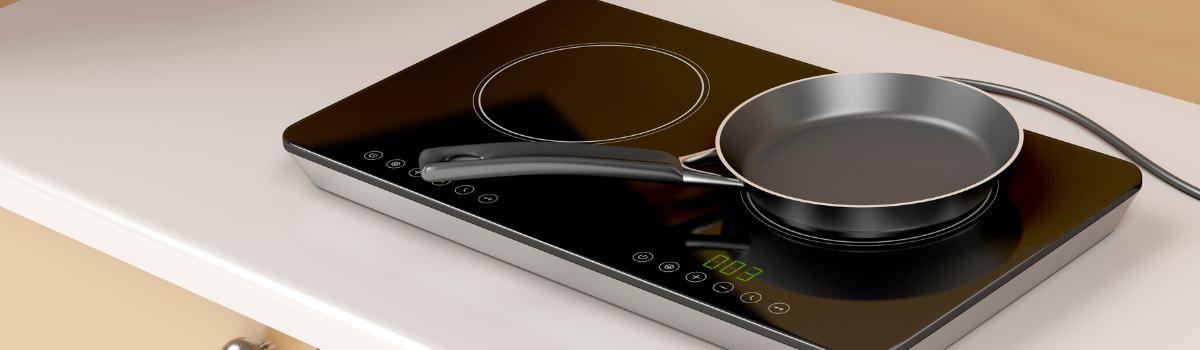
Induction stoves are increasingly popular for their efficiency, safety, and sleek design. However, like any appliance, they’re not without their issues. Here’s an overview of the most common problems and safety tips with induction stoves and what you can do to address them.
Power Supply Issues
The power supply is often the culprit if your induction stove acts more like a kitchen prop than an actual appliance. These stoves run on a steady stream of electricity; even a small disruption can knock them offline. Common problems include:
- Loose or damaged wiring. Over time, connections can wear out or wiggle loose, cutting off power.
- Tripped breakers or blown fuses. Induction stoves pull more power than your average toaster, and some home electrical systems can’t keep up.
- Voltage inconsistencies. Fluctuations in your home’s power grid, sometimes called “dirty power,” can affect the stove’s performance or even prevent it from turning on.
Start by double-checking the obvious. Ensure it’s plugged in (not half-heartedly, but firmly) and your circuit breaker isn’t tripped. If fuses are part of your setup, inspect and replace them. Still not working? The problem may go deeper.
Sometimes, the issue lies inside the stove, such as a burned-out control board or fried internal wiring. When that’s the case, it’s time to call in the pros unless your idea of a good time is trying to disassemble an appliance armed with only YouTube tutorials and optimism.
Incompatible Cookware
Induction cooking breaks the mould of traditional stoves by relying on electromagnetic fields instead of direct heat. The catch? Not all your kitchen staples will play nice. For induction to work, your pots and pans need a magnetic base. That’s the rule. No magnetism, no heat, no cooking.
Common symptoms that your cookware isn’t induction-friendly are frustratingly clear:
- The stove doesn’t detect the pan. No lights, no hum, no heat, just an unresponsive cooktop staring back at you.
- Heat distribution is off: one side of your pan burns while the other remains ice cold.
Here’s the quick and dirty fix: grab a magnet. You’re good to go if it sticks to the bottom of your pot or pan. If it falls off, toss that cookware back into storage or repurpose it for non-induction use.
Even if the magnet test passes, the cookware’s base also matters. Warped or uneven bottoms don’t make full contact with the induction surface, leading to inefficiency. Opt for heavy, flat-bottomed pieces like cast iron or magnetic stainless steel. Bonus tip: avoid “clad” cookware with thin aluminum layers. They might claim to work on induction stoves but often underdeliver.
Think of cookware compatibility as step one in the induction game. If you get it wrong, the entire experience can feel like fixing a car with the wrong tools. Get it right, and you’ll unlock the speed and precision induction stoves are known for.
Overheating Warnings
Induction stoves are wired with safety features designed to protect the user and the appliance from excessive heat. When the stove senses running too hot, it may flash a warning or shut itself off entirely. While this might seem annoying, your stove says, “Let’s not turn this into a fire hazard.” Overheating issues often boil down to two primary culprits:
- Prolonged Use: Running the stove on high settings for extended periods without cooling can trip those internal sensors. Think of it like a sprinter trying to run a marathon. The solution? Take short breaks during heavy cooking sessions to let the appliance rest. If you’re mid-recipe, switch between burners.
- Poor Ventilation: Induction stoves need breathing room. The heat buildup cannot escape without adequate airflow, forcing the internal systems to act defensively. Check that the ventilation vents around your stove aren’t blocked by walls or clutter (we’re looking at you, a stack of cutting boards leaning against the backsplash).
If you’re still hitting the overheating wall after addressing these two factors, the internal sensors could malfunction, or the cooling fan could be out of commission. In those cases, it’s time to call a technician. Don’t try to MacGyver this one; tampering with the internal components usually does more harm than good.
Error Codes on the Display
If your induction stove flashes an error code, it’s trying to tell you something. Think of these codes as the stove waving a red flag or whispering, “Something’s up, fix me.” While error codes vary by manufacturer, they usually break down into a few common categories:
- Cookware Not Detected: This typically means you use inappropriate pots or pans without a magnetic base or that the cookware isn’t centered on the burner. No heat? First, check the pan; it might be more decorative than functional.
- Internal Malfunction: Error codes pointing to electrical components often signal a deeper issue, like a damaged sensor or a fried induction coil. Translation: You’ll likely need a technician to crack it open and take a look.
- Overheating or Electrical Fluctuation: Your stove might be shutting itself down as a precaution. If it’s throwing this error, inspect the ventilation and ensure you’re not overloading the cooktop with heavy-duty, high-temp tasks for hours.
When in doubt, grab your user manual, that little booklet you forgot existed. Most manuals provide a cheat sheet for the error codes and instructions on troubleshooting before you call in the pros. If a reset (unplugging the stove for a minute) doesn’t clear the issue, it’s time to stop tinkering and let a professional handle it.
Scratches or Cracks on the Glass Surface
The glass-ceramic surface of an induction stove is tough, but it’s not invincible. Scratches happen, cracks can form, and when they do, it’s more than just a cosmetic issue it can impact safety.
Scratches are mainly caused by sliding pots or pans with rough or uneven bottoms across the surface. While they’re usually minor and won’t affect how the stove functions, they’re an eyesore and can worsen over time if not addressed. A cracked surface, however, is a bigger problem. Cracks can result from dropping heavy items like cast iron skillets onto the cooktop or through thermal shock placing something icy cold on a hot surface or vice versa. In worst-case scenarios, these cracks can compromise the structural integrity of the glass and risk electrical exposure.
Preventing damage is straightforward: lift, don’t slide, your cookware, and check the bottoms for burrs or rough edges. Use cookware with a smooth, flat base to minimize wear. You can buff out small scratches with specialized glass-ceramic cleaners, but larger cracks usually mean replacing the entire glass top. Unfortunately, that can get expensive.
The rule of thumb? If the crack affects performance or feels unsafe, stop using the stove immediately and contact a professional. A fractured induction stove isn’t worth the risk.
Noise from the Cooktop
Induction cooktops are known for their precision and efficiency, but they can occasionally bring along an unexpected soundtrack of humming, buzzing, or clicking noises. While some noise is perfectly normal, certain sounds can be excessive and may require attention. Let’s break it down.
Why Do Induction Cooktops Make Noise?
The sounds you hear are byproducts of induction technology. Here’s how it works: electromagnetic energy vibrates through your cookware’s material, which can result in audible noise.
Common Sources of Noise
Not all noises are created equal. Below are the usual suspects:
1. Thin or Lightweight Cookware
- Issue: Flimsy pots and pans tend to vibrate more when interacting with the cooktop’s electromagnetic fields, amplifying the noise.
- Fix: Switch to heavier, high-quality cookware with a flat, solid base.
- Recommended Materials: Cast iron or well-made stainless steel.
2. Cooling Fan
- Issue: Induction cooktops are equipped with cooling fans to prevent internal components from overheating. If the fan malfunctions or is overworked, it may create louder-than-usual whirring or rattling sounds.
- Fix:
- Ensure the fan vents are clear of blockages to allow proper airflow.
- If the noise persists, contact a technician to inspect or repair the fan.
The Bottom Line
A little noise is normal for induction stoves but shouldn’t be disruptive. If the sounds get too loud or annoying, try:
- Upgrading your cookware.
- Servicing the cooling fan to ensure it’s functioning properly.
These adjustments can help reduce the volume and bring back the pleasant hum of a well-functioning kitchen.
Uneven Heating or Hot Spots
Cooking on an induction stove is supposed to deliver precise, uniform heat distribution, but that’s not always the reality. If your food is cooking unevenly or you notice hot spots in the pan, here’s what might be happening and how to fix it.
First, check your cookware. Induction stoves rely on direct contact between the electromagnetic field and the magnetic material in your pans. The heat won’t distribute properly if the pan’s base isn’t completely flat or evenly thick. Warped or lightweight cookware is a common culprit here. Opt for heavier pans with a perfectly flat, magnetic bottom.
Another issue could be the fit between your pan and the induction zone. Induction burners only heat the area directly beneath the cookware. Heat can become patchy if your pan is too small or too large relative to the marked induction zone. Match the pan size to the burner for better results.
The problem might come from within the unit if the cookware seems fine. The induction coil, the component responsible for generating the magnetic field, could be misaligned or damaged. Although this is less common, it can happen over time or due to manufacturing defects. Unfortunately, fixing this requires a professional diagnosis and possibly a repair or coil replacement.
In short, flat, heavy cookware = good. Mismatched pans or a faulty coil? Not so good. Debugging these issues is mostly trial and error, but if a coil problem is suspected, it’s time to call in the pros.
Touch Controls Not Responding
Touch controls on induction stoves are a sleek upgrade but also have quirks. When they stop responding, it’s often one of three simple culprits:
- Dirt or grease buildup. Let’s be honest: kitchens are messy places. The sensors may have difficulty registering your touch if your control panel is sticky or coated in residue. Clean the surface with a damp, soft cloth and a mild cleaner. Don’t go heavy-handed; abrasive scrubbing can damage the panel.
- Moisture interference. Water or condensation can create a barrier between your finger and the touch-sensitive surface. Before you panic, check for spills or even sweat on your hands. Wipe the panel and your fingers dry, and try again.
- System glitches. Like any electronics, an induction stove’s touch controls can occasionally freeze up or act buggy. Turn the stove off, unplug it, and wait a minute before plugging it back in. This quick “reset” often resolves minor hiccups.
If your controls are still giving you the silent treatment after all this, you might be dealing with a deeper hardware problem. In that case, it’s time to call a technician.
Burner Not Working
If a specific burner on your induction stove isn’t working, the issue typically boils down to one of two culprits: a hardware failure or a connection problem. First, confirm that the burner in question isn’t rejecting your cookware. Double-check compatibility if the pan isn’t magnetic or is too small for the induction zone, the burner won’t engage.
Still nothing? It’s probably an internal issue. The induction coil responsible for generating the electromagnetic field or the sensors that detect cookware could be damaged. Sometimes, loose or worn-out connections between components are to blame. Resetting the stove might clear minor glitches, but there’s no DIY fix for faulty hardware.
Your next move: call in a technician. A non-functional burner usually needs professional repair or a complete replacement of the damaged part. Skipping this step only delays the inevitable, so it’s worth addressing quickly if you rely on all burners for your cooking.
Frequent Shutdowns
Induction stoves shutting down mid-cooking isn’t just inconvenient it can throw off your entire meal. This issue often stems from built-in safety mechanisms designed to prevent bigger problems. Here are the usual suspects and what you can do about them:
Overheating or Blocked Ventilation
- Induction stoves rely on proper airflow to keep internal components cool. If vents are blocked or the stove is running at maximum for too long, it might overheat and shut off automatically. Double-check that nothing is obstructing the vents, and avoid using high settings for extended periods without breaks.
Cookware-Related Auto Shut-Off
- Many models will power down if they can’t properly detect cookware, which can happen if you’re using a pan that’s too small, has a non-magnetic base, or is empty. Ensure your pot or pan is induction-compatible, sized appropriately for the burner, and has something (like water or food) inside.
Electrical Glitches
- Power irregularities like voltage drops or surges can cause the stove to trip itself off as a precaution. This could be the culprit if your home’s electrical system is prone to fluctuations. Plugging the stove into a dedicated circuit or installing a voltage stabilizer may help keep things steady.
If none of these steps resolve the issue, it’s worth contacting the manufacturer or a technician. Persistent shutdowns could indicate deeper internal problems that require professional attention.
Maintaining Your Induction Stove
Keeping your induction stove running smoothly doesn’t require much effort, but regular care can go a long way. Here’s how to avoid headaches down the line:
- Use the Right Cookware: Choosing magnetic, flat-bottomed pots and pans isn’t just about functionality; it also protects the induction components from unnecessary strain caused by improper contact or inconsistent heating.
- Clean After Every Use: Wipe down the surface once it’s cool with a soft cloth and a gentle, non-abrasive cleaner. This prevents residue buildup that can interfere with the sensors or controls. Skip the scouring pads they’ll scratch that sleek glass-ceramic finish before you know it.
- Mind the Heat and Ventilation: Induction stoves don’t like being smothered. Keep the area around the stove ventilated, and avoid pushing the appliance too hard with marathon high-heat sessions. Let it cool off between heavy uses to avoid triggering safety shutoffs or overworking internal components.
- Be Gentle: Don’t slam cookware down or slide it around aggressively. You end up with scratches, chips, or a cracked surface. Handle everything like you’d handle your phone after a near-miss drop.
- Inspect Occasionally: Check for signs of wear and tear, like frayed cords or tiny surface cracks. Catching these early means, you can fix minor problems before they snowball into major ones.
Staying proactive with these simple steps doesn’t just make your life easier; it saves time and money in the long run. When small problems pop up, deal with them promptly. Ignore them; they’ll inevitably show up at the most inconvenient time, usually right before dinner.
Related service
Need a technician?
We handle appliance repair across Metro Vancouver and the Lower Mainland. Same-day service usually available.