Dishwasher Leaving Water Spots: Causes and How to Prevent It
Why Are My Dishes Coming Out Spotty?
Have you ever opened your dishwasher expecting spotless plates and sparkling glasses, only to find streaks or white spots on your dishes? It’s annoying, isn’t it? You spend time and money on a good dishwasher, detergents, and rinse aids, yet the results feel disappointing.
Don’t worry this is a common problem, and the good news is that it’s fixable. In this guide, we’ll explain what causes these water spots, error codes, causes, and fixes, how you can stop them, and what you can do to fix them. When you’re done reading, you’ll have simple, practical solutions to keep your dishes looking spotless every time.
What Are Water Spots, and Why Do They Happen?
Water spots are those cloudy marks or streaks left on your dishes after they’ve gone through the dishwasher. They’re not dirt; they’re actually tiny mineral deposits, mostly made of calcium and magnesium. These come from hard water, which contains more minerals than soft water.
When your dishwasher finishes rinsing, any leftover water starts to evaporate. If the water contains many minerals, those minerals don’t evaporate they stay on your dishes, leaving behind spots. While these spots aren’t harmful to your health, they can make your dishes look dirty, which is frustrating.
The settings on your dishwasher can also make a difference. If the water isn’t hot enough or the drying cycle doesn’t work well, moisture stays on the dishes longer, giving the minerals more time to settle. Understanding these causes will help you fix the problem.
What Causes Water Spots?
Hard Water and Mineral Deposits
Hard water is the most common reason for water spots. If your water has high levels of calcium and magnesium, it’s considered “hard.” These minerals don’t dissolve completely during the wash cycle; when the water dries, they leave a visible residue.
If you think hard water might be the issue, look for other signs, like scale buildup on your faucets or a chalky residue in your kettle. You can also buy a simple test kit to check the hardness of your water.
Too Much or Too Little Detergent
Using the wrong amount of detergent can also cause problems. Too much detergent can leave behind a soapy film, which combines with hard water minerals to create even more visible spots. Using too little detergent means your dishes don’t get properly cleaned, leaving food particles and residue that can contribute to spotting.
Incorrect Dishwasher Settings
Your dishwasher’s water temperature and drying cycle are critical for spotless dishes. If the water isn’t hot enough, detergent may not dissolve properly, and the rinse cycle might also not work. Similarly, a weak drying cycle leaves water on your dishes longer, leading to spotting.
Overloading the Dishwasher
Trying to fit too many dishes into your dishwasher at once might save time, but it can block water and detergent from reaching every surface. When dishes are packed too closely, they don’t get cleaned or dried evenly, and spots are more likely to form.
Poor Dishwasher Maintenance
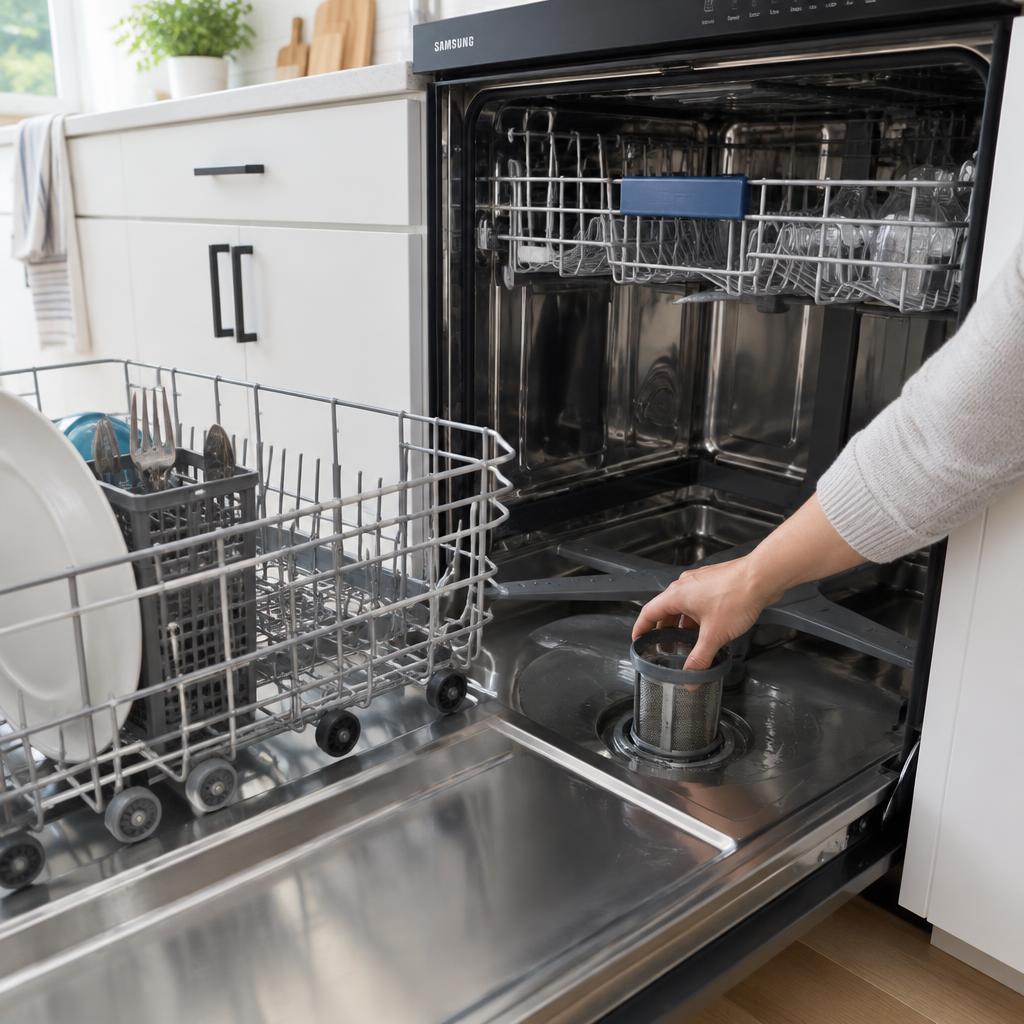
Your dishwasher will not work as efficiently if you don’t clean it regularly. Over time, food particles, grease, and even minerals from hard water can clog filters and spray arms. This reduces water flow and cleaning power, leading to more spots on your dishes.
How to Prevent Water Spots
Use a Rinse Aid
Rinse aids help water slide off your dishes more easily, reducing the chance of spots forming during the drying cycle. Most dishwashers have a special compartment for rinse aids, and some models even let you adjust how much is used. If you’re not already using one, adding one can make a big difference.
Adjust Your Detergent Use
Start by following the detergent instructions for your dishwasher and water type. If you’re still noticing spots, experiment with the amount—try using slightly more or less to see what works best.
Check Your Dishwasher Settings
Ensure your dishwasher is set to its hottest water temperature and the longest drying cycle. The hotter the water, the better your detergent will dissolve and rinse away residue.
Load Dishes Properly
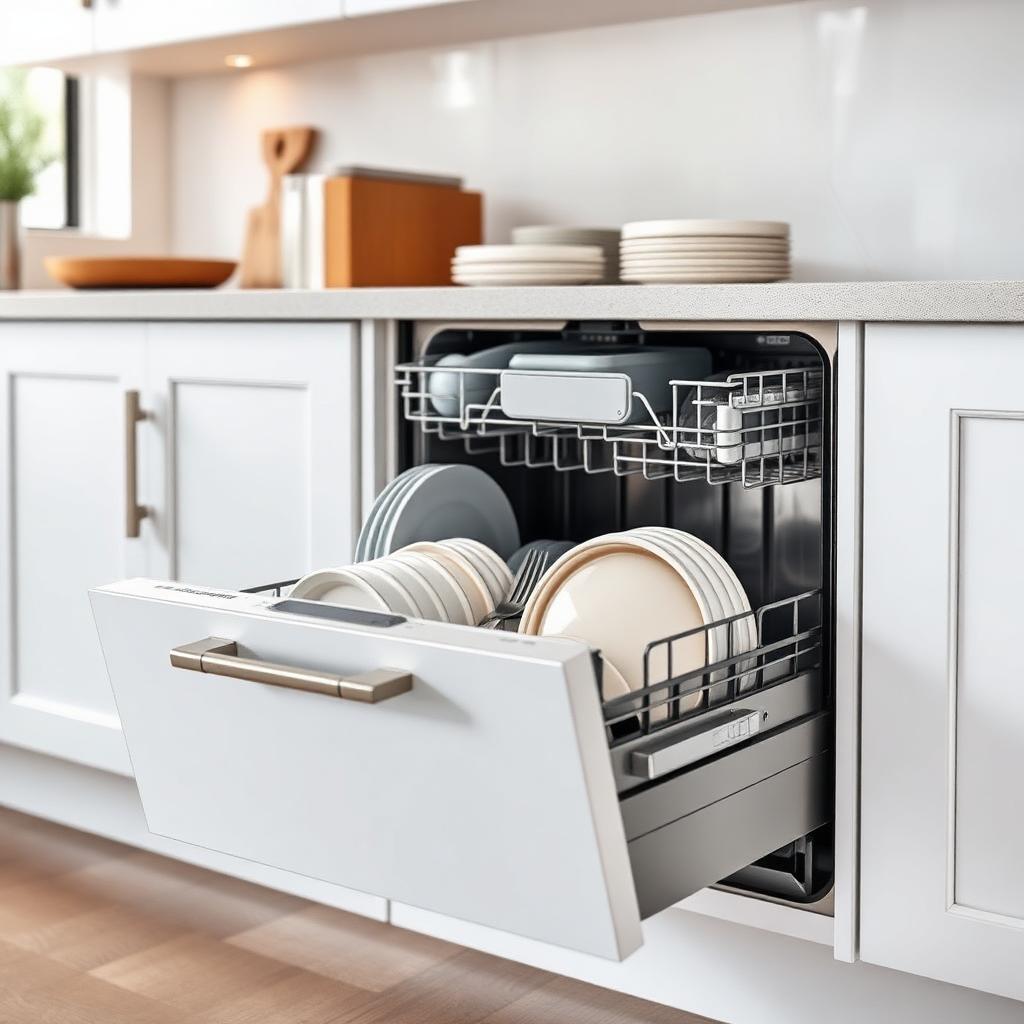
Leave enough space between dishes so water can reach every surface. Glasses and cups should go upside down, and utensils should be mixed to avoid nesting. Large items should be placed carefully so they don’t block the spray arms.
Clean Your Dishwasher Regularly
Clean the filters, spray arms, and other parts of your dishwasher once a month. Some dishwashers even have a self-cleaning cycle, but manually checking for buildup ensures everything is working correctly.
Long-Term Fixes for Persistent Water Spots
Install a Water Softener
If hard water is a major issue, installing a water softener can help. These devices remove calcium and magnesium from your water, replacing them with softer minerals like sodium. While it’s a bigger investment, a water softener protects all your appliances from mineral buildup, not just your dishwasher.
Upgrade to a Modern Dishwasher
Newer dishwashers often come with advanced features like steam-drying or heat-boosted drying cycles. These options can more effectively eliminate residual water, leaving your dishes completely dry and spotless.
Quick Fixes: You Can Try Right Now
Use Vinegar in the Rinse Cycle
Vinegar is an affordable and natural way to reduce water spots. Add a small cup of vinegar to the top rack or pour it into the rinse aid compartment during a wash cycle. Its acidity breaks down minerals and helps your dishes come out cleaner.
Towel-Dry Your Dishes
If you’re in a hurry, use a microfiber towel to dry your dishes as soon as the dishwasher finishes. This prevents any remaining water from drying on the surface and leaving spots.
FAQs About Water Spots
Why do only some dishes have water spots?
Water spots are more noticeable on glass and shiny surfaces, so they might not appear on every dish type.
Can water spots damage my dishes?
Over time, hard water spots can permanently etch glassware, making it cloudy and harder to clean.
Are there eco-friendly alternatives to rinse aids?
Yes! Vinegar is a great natural substitute that works for many people.
Spot-Free Dishes, Every Time
Water spots might seem like a frustrating mystery, but they’re easy to fix once you understand the causes. Whether you adjust your dishwasher settings, use a rinse aid, or invest in a water softener, there are plenty of ways to keep your dishes looking great. With these tips, you can say goodbye to spots and hello to spotless, sparkling dishes!
Related service
Need a technician?
We handle appliance repair across Metro Vancouver and the Lower Mainland. Same-day service usually available.