How to Prevent Mould in Washing Machines: The Complete Guide
How to Prevent Mould in Washing Machines
Mold in washing machines is more common than you might think, especially if you have a front-loading model. It’s not just a small inconvenience; mold can cause bigger problems for your home and health. Clothes washed in a moldy machine can end up with a musty odor that’s hard to get rid of, and exposure to mold can trigger respiratory issues or allergies. Taking steps to prevent mould growth can help keep your washing machine fresh and ensure your laundry stays clean and safe. The good news is that it’s easy to prevent mold from forming if you keep up with a few habits. By sticking to a simple cleaning routine, you can keep your washing machine mold-free and your clothes fresh. Let’s look at why mold grows and how you can stop it.
Understanding Why Mould Grows in Washing Machines
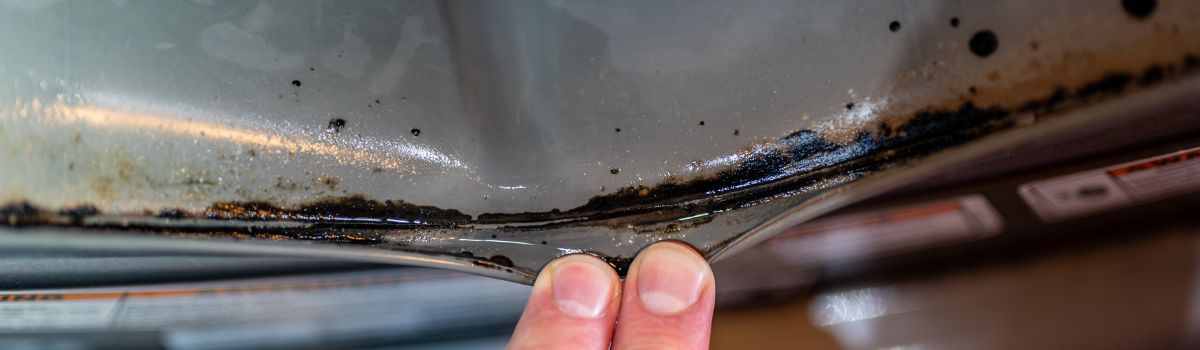
Mold loves warm, damp, and dark places, and your washing machine provides all three. This problem is more common in front-loading washers because they seal tightly to prevent leaks. While this is great for keeping water inside during a wash, it also means that moisture gets trapped when the wash is over. Detergents and fabric softeners can leave behind a sticky residue that mould thrives on. So if you don’t keep an eye on things, mould can easily start growing in hidden areas like the door gasket (the rubber part that seals the door) or inside the detergent drawer.
If you’re not careful, even tiny amounts of leftover water or soap can lead to a mould problem. The most common culprits for mould are:
- Moisture left behind after washing.
- Soap scum or fabric softener residue.
- Warm temperatures inside the machine.
By understanding these causes, you can take steps to prevent mould from becoming an issue.
Daily Habits to Keep Mould Away
You can do a few simple things every day to prevent mould from growing in your machine. These habits don’t take long and can save you a lot of trouble later.
- Leave the Door and Detergent Drawer Open: After you’re done washing, keep the door of the machine slightly open. This allows air to circulate and helps dry out any leftover moisture. The same goes for the detergent drawer—keeping it open helps prevent mildew from forming.
- Take Clothes Out Right Away: Don’t leave wet clothes sitting in the machine. Mould loves moisture, so the sooner you remove your laundry, the better.
- Wipe Down Damp Areas: Keep a clean, dry cloth nearby. After each wash, use it to wipe down the drum, door, and especially the rubber gasket. This small step can stop mould before it even starts.
Following these easy daily steps can make a big difference. Letting the machine dry out and giving it a quick wipe will go a long way toward keeping it mold-free.
Weekly Cleaning Routine to Prevent Mould
In addition to your daily habits, set aside a little time each week to give your washing machine some extra care. Regular cleaning helps ensure that mold doesn’t settle in hard-to-reach areas.
- Clean the Door Seal and Gasket: The rubber gasket around the door is a prime spot for mould, so pay attention to it. Use a solution of water and vinegar or a mild cleaner. Lift the edges of the gasket to wipe away any dirt or moisture hiding underneath.
- Rinse Out the Detergent Drawer: Over time, detergent can build up and create a layer of grime. If possible, remove the drawer, rinse it with warm water, and scrub away any leftover residue. Make sure it’s completely dry before you put it back in the machine.
These quick weekly tasks can prevent mould buildup and keep your machine working like new. Your weekly effort can save you from more extensive cleaning later.
Monthly Deep Cleaning for Mould Prevention
Your washing machine deserves a deeper clean once a month. Despite your daily and weekly efforts, this routine targets any mould that might have started forming.
- Run a Hot Cleaning Cycle with Vinegar: Set your machine to its hottest water setting and pour a cup of white vinegar directly into the drum. This will help kill any lingering mould spores and sanitize the interior. Let the machine complete a full cycle.
- Add Baking Soda to Deodorize: After running the vinegar cycle, sprinkle half a cup of baking soda into the drum and run another hot cycle. Baking soda helps neutralize any remaining odours and breaks down any hidden residue.
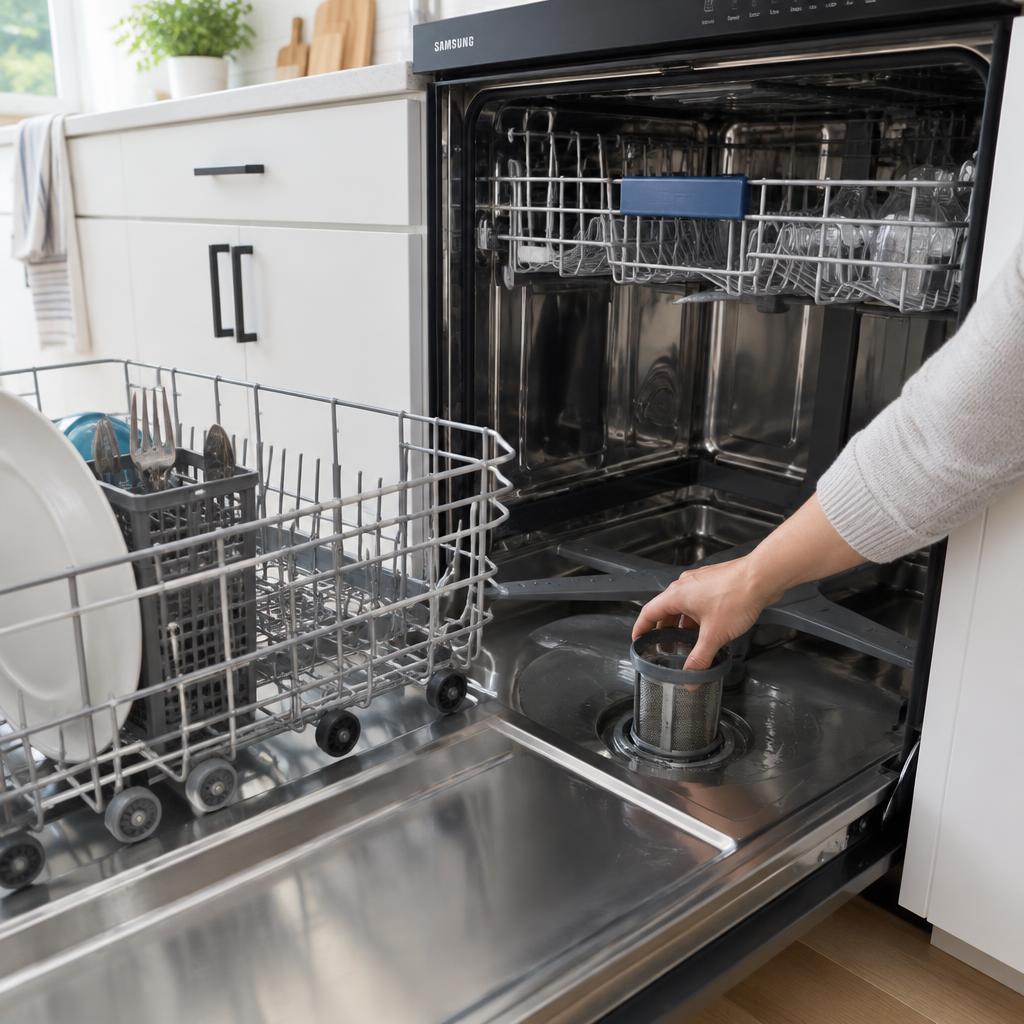
- Check Filters and Drains: If your washing machine has a filter or drain, inspect and clean it. If left unchecked, filters can catch dirt and debris that might cause blockages or bad smells.
By giving your machine a deep clean every month, you can ensure that even hidden mould spores don’t get a chance to grow.
Best Practices for Keeping Mould Out of Your Washing Machine
To keep mould at bay, follow these best practices:
- Use High-Efficiency (HE) Detergents: HE detergents create fewer suds, meaning they leave behind less residue that mold can feed on.
- Avoid Too Much Fabric Softener: Consider using dryer balls instead of fabric softener. Softeners can leave a sticky film that encourages mold growth.
- Run a Sanitize or Steam Cycle Now and Then: Use it occasionally if your machine has a sanitize or steam cycle. These cycles use high temperatures to kill any potential mould spores hiding inside.
Choosing the right products and cycles will keep your machine cleaner and reduce the chances of mould.
Different Washing Machines Need Different Care
Not all washing machines are the same. Here’s how to adjust your care routine based on the type of machine you have:
- Front-load machines are more likely to have mold issues because they seal tightly during a wash. Focus on cleaning the gasket and keeping the door open after each cycle. Use any special cleaning cycles that your machine offers.
- Top-Load Machines: Mold can still be an issue, but it’s less likely. Keep the lid open when the machine isn’t in use and clean the lip of the drum regularly.
By adapting your cleaning habits to your machine type, you can prevent mould no matter what kind of washer you own.
Advanced Tips to Keep Mould from Coming Back
For even more protection, try these advanced steps:
- Use Mold-Resistant Detergents and Additives: Detergents and additives are available specifically designed to prevent mold from growing. Products like EC3 or Affresh tablets are great for long-term maintenance.
- Ventilate the Laundry Room: If your laundry room is humid, consider using a dehumidifier or keeping a window open while washing. Good airflow can help keep mould away.
- Invest in a Machine with Antimicrobial Features: If you’re constantly battling mould, it might be worth upgrading to a washing machine that has built-in antimicrobial features to help fight bacteria and mould.
These extra steps provide long-lasting protection and are great for households that have had mould problems in the past.
What to Do If Mould Won’t Go Away
If you’re doing everything right but still struggling with mould, it’s time to try more intensive measures:
- Run a Bleach Cycle: Bleach is a powerful mould killer, but make sure your machine’s manual says it’s safe to use. Run an empty hot cycle with bleach to sanitize the interior.
- Replace Worn Parts: If your machine’s gasket or other parts are too mouldy to clean, consider replacing them. It’s better to swap out a part than let the whole machine get contaminated.
If these steps don’t solve the problem, you might need to consult a professional for help.
Conclusion
Keeping your washing machine mould-free doesn’t have to be difficult. Adding a few simple habits to your daily routine and following regular cleaning schedules allows you to stop mould before it starts. This will not only keep your clothes fresh and clean but also extend the life of your washing machine. Remember, a clean washing machine means a healthier home environment, so make these habits part of your regular laundry routine!
Related service
Need a technician?
We handle appliance repair across Metro Vancouver and the Lower Mainland. Same-day service usually available.