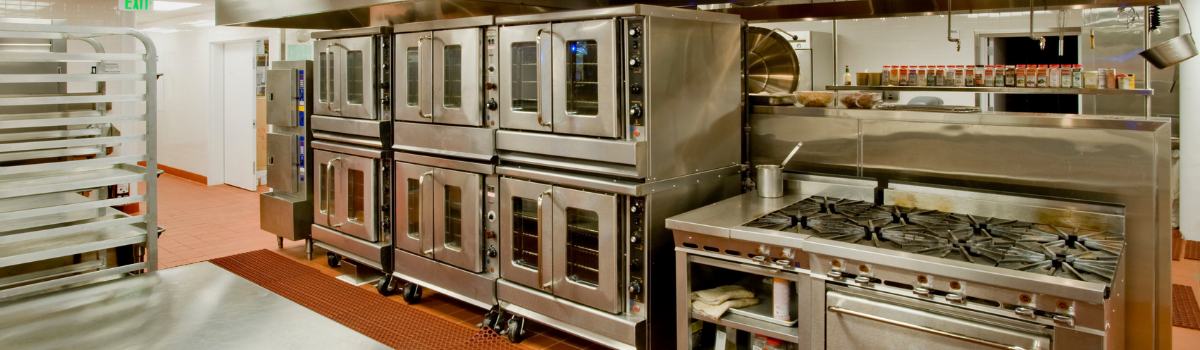
Life Expectancy of Stoves and Ovens by Brand
How Long Do Stoves and Ovens Last? Brand-by-Brand Insights
Understanding the lifespan of stoves and ovens can help you make informed decisions when buying or maintaining them. Different brands come with varying levels of durability and quality, which can significantly impact how long the appliance lasts. For example, regular stove crack repair can sometimes extend the life of an older stove, depending on the severity of the damage. Below, we break down the general life expectancy of stoves and ovens, the factors that influence their longevity, and how some popular brands compare.
Average Lifespan of Stoves and Ovens
Stoves and ovens are designed for heavy use and long-term durability, but like all appliances, they have a finite lifespan. Here’s a closer look at how long you can expect your stove or oven to last and what factors influence their longevity.
Average Lifespan
- Gas Stoves: Approximately 15 years
- Electric Stoves: Approximately 13 years
Gas-powered units typically last longer than electric ones due to their simpler design and fewer electronic components.
Key Factors Affecting Lifespan
Gas vs. Electric Models
Gas Stoves:
- Fewer electronic components mean fewer potential failures.
- Built to withstand longer use cycles.
Electric Stoves:
- Depends on heating elements and circuits, which degrade faster.
- More susceptible to wear when under constant heavy use.
Maintenance and Care
- Regular cleaning prevents grease and grime buildup, which can damage internal components.
- Prompt repairs can fix small issues before they escalate.
- Overuse without breaks may shorten the lifespan.
Extending the Life of Your Appliance
While stoves and ovens are built to last, their longevity largely depends on how well you care for them. Here are some tips:
- Clean regularly, both inside and out.
- Avoid slamming oven doors or overloading stovetops.
- Address issues like faulty burners or weak heating elements immediately.
With proper maintenance and responsible usage, a stove or oven’s lifespan can be extended beyond the average 13–15 years. Treat your tools well, and they’ll keep serving you for years.
Factors That Affect Appliance Longevity
It’s not all up to chance how long your stove or oven will last. A few key factors determine whether your appliance will run smoothly for the better part of a decade or sputter out before the warranty expires.
- Frequency of Use: Like running a car into the ground with a daily 200-mile commute, overusing your stove or oven can lead to faster wear and tear. The internals burners, heating elements, and ignition systems are constantly stressed. If your oven is cranked up nightly for family meals or epic baking sessions, its lifespan will dip accordingly.
- Maintenance: Neglect is a death sentence for kitchen appliances. Residue buildup, grease-coated parts, and clogged burners push components harder than they’re built for. Regular cleaning, even if it’s just wiping down the stovetop and scrubbing the inside every couple of months, forestalls many of the typical breakdowns. Pro tip: Don’t forget the gunk behind the knobs grease loves hiding there.
- Build Quality and Materials: Not all stoves are created equal, which becomes painfully obvious a few years later. Higher-quality brands often use sturdy materials like stainless steel or cast iron, while budget options lean on flimsier plastics or thin metals that break down faster. Cut corners on quality, and you’ll inevitably pay for it later in repairs or a replacement.
- Repair vs. Replacement Costs: Appliances become throwaways when repair costs creep dangerously close to the cost of buying something new. Think of this as a hidden “expiration date” tied to the price-tag-to-quality ratio of the brand you pick in the first place. If you’re constantly shelling out for minor fixes, it might be time to face reality and move on.
In short, treat your stove or oven like an investment. How often you use it, how well you care for it, and what you buy make all the difference.
Comparing Life Expectancy by Brand
Not all stove and oven brands are built to last equally. While the average lifespan of an appliance hovers around the 13- to 15-year mark, brand selection can tip the scale either way. Let’s break it down:
High-Durability Brands
If longevity tops your list, stick with manufacturers known for sturdy engineering. Whirlpool, GE, and KitchenAid lead the pack, consistently delivering stoves and ovens that punch well above their lifespan and reliability. These brands are often praised for using heavy-duty materials like stainless steel burners and reinforced oven components. Plus, their service warranties reflect their confidence in the product. Longer coverage often signals a tougher build. While the upfront cost may be higher, these appliances are less likely to face frequent breakdowns, saving you frustration and repair bills in the long run.
Mid-Range Brands
For those balancing performance with budget constraints, Frigidaire and Samsung fall into the middle ground. These brands generally perform well for the price, but it’s not uncommon to need a repair or two after several years, particularly for control panels or digital displays. Their life expectancy hovers close to the industry average, giving you reasonable reliability for the investment. Mid-range brands might not survive the wear and tear of heavy usage as gracefully as high-end options. However, they’re often loaded with advanced features, like smart compatibility, making them attractive even with slightly shorter potential lifespans.
Budget-Friendly Brands
Budget-conscious buyers eyeing brands like Amana or Hotpoint should go in with managed expectations. While these stoves and ovens get the job done for lighter, less frequent use, they may fall short in the durability department, with lifespans often capping around 10 years. Cost-saving measures like thinner materials and basic parts mean repairs could crop up earlier, from warped heating elements to degraded oven seals. Still, these brands can provide real value without a significant upfront cost for occasional users or those outfitting a secondary kitchen.
The Bottom Line
Choosing a brand isn’t just about longevit balancing your needs with your budget. Heavy daily cooks should favor high-end brands built for the long haul, while occasional or budget buyers might find suitable options in mid-tier or lower-price ranges. Just know that the brand you pick sets the tone for how often you’ll be reaching for a warranty card or a replacement catalogue.
Tips for Prolonging Your Stove and Oven’s Life
Owning a stove or oven is a long game, and a little effort here and there can mean the difference between a 10-year run and squeezing out 15. Here’s how to keep the flames burning and the oven ticking:
- Clean Regularly (But Don’t Overdo It): Grease, food particles, and spills can damage burners, heating elements, and vents. Wipe down surfaces after use and give your oven a deeper clean every few months. Just go easy overzealous cleaning (like scrubbing with harsh chemicals) can damage components like seals or coatings.
- Inspect and Replace Wearables: If knobs are sticking, burners are sputtering, or the oven door doesn’t quite seal, don’t shrug it off. These smaller issues can snowball into bigger ones. A loose seal, for example, can make your oven work overtime, adding stress to the heating elements. Replacing small parts promptly is cheaper than a full breakdown.
- Don’t Lean Heavy on It (Literally): Oven racks have weight limits, and your stovetop isn’t a prep counter. Plunking heavy pots directly on glass cooktops or overloading your oven racks can cause cracks, warps, or imbalances that aren’t easy to fix.
- Work Smarter, Not Harder: Use your appliance the way it was designed to work. Don’t use pots or pans that are too big or small for burners, and don’t slam oven doors (yes, we all do it sometimes). Your manual is boring, but it’s there for a reason reading it might save you from unintentionally shortening your stove’s life.
Taking care of your stove and oven isn’t rocket science, but it does require a little mindfulness. Treat them well; they’ll return the favor with years of reliable meals.
How to Decide When Replacement Is Necessary
Sometimes, knowing when to say goodbye to your trusty stove or oven is as important as maintaining it. Here’s a no-nonsense guide to making that call:
- Major Repairs on Older Units: If your appliance is approaching its 10-year mark and suddenly needs a pricey repair (think a new control board or heating element), it’s likely not worth the cost. A fix that runs more than half the price of a new unit? That’s your cue to start shopping.
- Decreased Efficiency: Is your oven taking forever to preheat? Does your stove struggle to hold a flame or maintain temperature? These are signs your appliance is wearing out. Worse, older units tend to guzzle energy. Replacing them with modern energy-efficient models can save cash in the long run and time waiting for your brownies to bake.
- Safety Concerns: This one’s a no-brainer. If you’re dealing with gas leaks, frequent electrical shorts, or odd smells, turn everything off and cut it loose. Safety comes first; ignoring these issues isn’t just expensive it can be dangerous.
When your appliance is old, inefficient, or just plain unsafe, it’s time to move on. A newer model will cook better, bring peace of mind, and lower utility bills.
Final Thoughts
A stove or oven is more than just a kitchen appliance it’s an investment in your home and daily life. While all models have a clock ticking on their lifespan, the combination of brand choice, proper care, and usage habits largely determines how long that timer will run. High-quality brands may cost more upfront but often repay the difference through longer lifespans and fewer headaches.
That said, even the best appliances have their limits. When persistent repairs or declining performance become routine, it’s time to consider whether a replacement makes more sense. Don’t wait for a catastrophic failure; a calculated upgrade to a more efficient, reliable model can save you money and your cooking sanity in the long run.
If your current appliance is holding up well, keep it that way by sticking to simple maintenance practices. Clean it regularly, replace worn parts as needed, and most importantly, avoid abuse (yes, that includes standing on the oven door to reach that top shelf!). A little effort goes a long way toward keeping your stove or oven in its prime.
Need a technician?
We handle appliance repair across Metro Vancouver and the Lower Mainland. Same-day service usually available.