Washer Door Will Not Close
Why Won’t My Washer Door Close?
Understanding why your washer door won’t close is important to keep your machine running well. If the door doesn’t shut properly, it can cause leaks or damage to your washer. One common reason is something blocking the door seal or latch, stopping the door from sealing tightly. A worn-out door seal could also make it hard for the door to close. Sometimes, a misaligned door latch or strike plate is the problem. If the door latch is broken, it might keep the door from shutting. In some cases, electrical problems with the control board can stop the door from closing. Fixing these issues can keep your washer working smoothly and avoid more serious problems. Here are some tips to help you figure out what’s wrong.
Fix the Problem to Avoid Bigger Issues
It’s important to fix a washer door that won’t close to avoid leaks and other damage. If the door doesn’t shut tightly, water can spill out, damaging your floor or belongings nearby. A door that doesn’t close properly can also make your washer work less effectively, leading to poor cleaning and drainage issues. Over time, a misaligned or broken door can damage other parts, making repairs more expensive. Fixing the problem quickly can keep your washer running well, helping you avoid bigger and more costly repairs down the line.
Common Causes of a Washer Door Not Closing
A washer door that won’t close can be frustrating. Knowing the common reasons for this can help you fix it fast. One usual cause is debris or dirt buildup around the door seal, stopping it from closing fully. Checking for small items stuck around the door regularly can prevent this. Misalignment of the door latch or strike plate is another common reason the door might not latch securely. Additionally, a damaged gasket or electrical problem affecting the locking mechanism can keep the door open. Some cleaning products can also impact the door over time. Fixing these problems quickly will help your washer last longer and avoid costly repairs.
Obstructions in the Door Seal or Latch Area
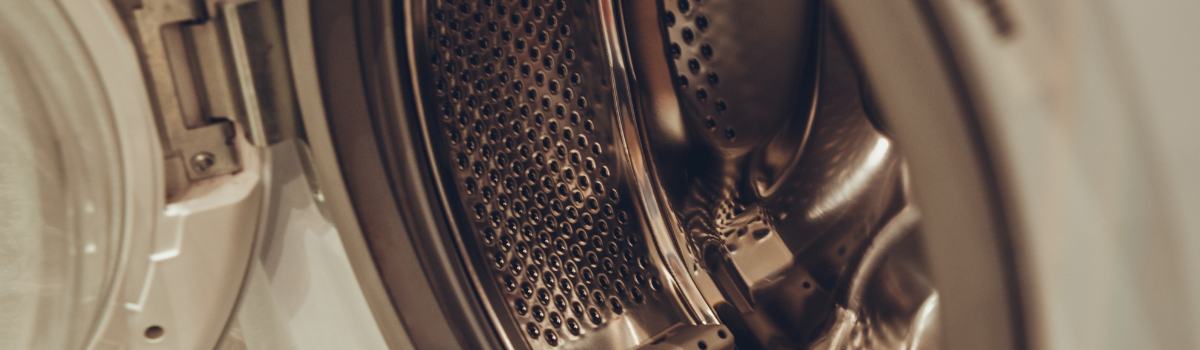
If your washer door won’t close, start by checking for any obstructions around the door seal or latch. Things like small clothing items or leftover detergent can get stuck and prevent the door from closing. Look closely at the seal to ensure there’s no dirt or debris blocking it. Also, make sure the door latch is working properly and that nothing is getting in the way. The latch needs to line up exactly with the strike plate—if it’s even a little off, the door might not close all the way. Keeping the latch area and seal clear of blockages will help your washer door work as it should and avoid unnecessary repairs.
Worn or Damaged Door Gasket
A worn or damaged door seal, also known as a gasket, is a common cause of washer door problems. Over time, the gasket can wear out from constant use, causing it to tear and stop sealing properly. This can make it hard for the door to close and might lead to leaks during a wash. It’s a good idea to check the gasket regularly for cracks or other damage. If you find a problem, cleaning the gasket to remove debris might help. But if it’s too worn, it’s best to replace it to keep your washer leak-free and running smoothly.
Misaligned Door Latch or Strike Plate
A misaligned door latch or strike plate is often why a washer door won’t close properly. If these parts aren’t aligned, the door can’t lock securely. This can happen from normal wear or if the washer has been moved recently. To fix it, make sure the latch and strike plate are lined up correctly and fastened tightly. Small adjustments can help keep your washer in good condition and prevent expensive repairs. If you’re not sure how to do it, asking a professional can help avoid future problems.
Diagnosing a Faulty Door Latch Mechanism
The door latch in your washer is essential for making sure the door closes correctly. If your washer door won’t shut, start by checking the latch for damage or misalignment. A latch that doesn’t catch the strike plate properly can stop the door from closing. Even if everything else is working fine, a faulty latch can cause problems. If the latch is damaged, replacing it is a straightforward fix. Cleaning around the latch to remove dirt or residue can also help keep it functioning well.
Examining the Strike Plate
A washer door might not close because the latch or strike plate isn’t aligned properly. This can make it hard for the door to latch securely. Regular use or moving the washer can cause these parts to shift. Checking and adjusting them regularly can help avoid bigger problems and save on repair costs. If you spot any misalignment or loose parts, fixing them quickly will help maintain the door’s function.
Electrical Issues That May Prevent Door Closure
Sometimes, electrical problems can stop a washer door from closing, not just physical obstacles. A malfunctioning door lock, often due to bad electrical connections, is a common cause, especially in Samsung models. Samsung washers often show error codes when something’s wrong, so pay attention to any alerts. Another key part is the control board, which controls how the machine works, including the door. If the control board has an electrical issue, it might keep the door from closing. Fixing these electrical problems quickly can help you avoid bigger headaches.
Control Board Problems
If your washer door won’t close, the control board could be the problem. The control board acts like the washer’s “brain,” and if it’s not working, the machine might not respond when you try to close the door. Electrical issues, like a power surge, can mess up communication between the board and the door. It’s best to get professional help for control board problems because it’s complex. Make sure to rule out other causes first to make a better repair decision.
Solutions for Fixing a Washer Door That Won’t Close
If your washer door won’t close, you need to act fast to avoid bigger issues. Start by checking the door seal and latch area for dirt or blockages—these are often easy fixes. If the gasket is worn out, replacing it can help. Also, check the alignment of the door latch and strike plate, as even a slight misalignment can cause problems. Adjusting them can often solve the issue. If the latch is broken, it might need a full replacement. Electrical issues can also affect the door’s locking. Fixing them quickly can keep your washer running smoothly and avoid future troubles.
Replacing a Faulty Door Latch
If your washer door won’t close, replacing the door latch might be the solution. A broken latch can cause inconvenience and prevent the door from locking properly. Before replacing, make sure you have the correct part for your model. Unplug the washer for safety, open the door, and locate the latch. It might be behind the door panel. Remove screws holding the old latch and disconnect any wires. Attach the new latch, reconnect the wires, and secure it with screws. Test the door to make sure it closes properly. A new latch can prevent further problems and get your washer back to normal.
Realigning the Strike Plate
If your washer door isn’t closing, try realigning the strike plate. Over time, the strike plate can shift, causing the door to misalign. Fixing it early can help keep your washer performing well. Use a screwdriver to carefully adjust the strike plate so it lines up with the door latch. If you’re not comfortable doing this, getting professional help is a good idea. Proper alignment can solve door issues and help your washer last longer.
Preventing Future Washer Door Issues
To keep your washer in good shape, preventing door problems is important. Regularly check and clean the door seal to make sure it fits tightly, allowing the door to close securely. Remove any debris around the door or latch to avoid problems. If you’ve had trouble with the door not closing before, check the strike plate alignment now and then. Keeping these parts in good condition can add years to your washer’s life. Replacing worn-out gaskets is key for a secure seal. If you notice electrical problems with the door, consult a professional to avoid bigger issues. Regular maintenance can reduce the chance of future door problems, keeping your washer reliable.
Conclusion
If your washer door won’t close, checking the strike plate should be one of the first steps. A loose or misaligned strike plate can keep the door ajar and affect the washer’s performance. Make sure the strike plate is aligned and tightened so the latch can catch properly. Regularly checking and adjusting the strike plate can prevent future problems and save you from unnecessary repairs. If you’re not comfortable with these adjustments, asking a professional technician for help can ensure everything is fixed without causing more damage.
Related service
Need a technician?
We handle appliance repair across Metro Vancouver and the Lower Mainland. Same-day service usually available.