12 Common Washing Machine Problems and Solutions
Common Washing Machine Problems
Washing machines are essential for keeping our clothes clean, but they can sometimes have problems. In this guide, we’ll discuss the most common washing machine problems and how to fix them. Sometimes, your washer won’t start, making strange noises, or even leaking water. Other issues include the washer not spinning, clothes staying wet after a wash, or water not draining properly. You might also find that the washing cycle takes too long, there’s a bad smell, or the washer shows error codes. By spotting the signs of trouble early, you can avoid bigger problems later. Let’s review these issues and learn how to solve them.
Washing Machine Won’t Start
It can be frustrating if your washing machine won’t start. Before calling for help, there are a few easy things to check. First, make sure it’s plugged in properly. Sometimes, the plug can get loose without you noticing. Also, check if the power outlet works by plugging in another device. If it’s not a power issue, check if the washer’s door or lid is fully closed. Washing machines won’t start unless the door is shut tight. You should also check the door lock to make sure it’s not broken. If the door lock is broken, the machine won’t start.
Another thing that can stop your machine from starting is an overloaded drum. If you have too many clothes packed in the washer, it might refuse to start. Try removing some items and then restart the machine. If none of this works, the culprit may be a more complex source, and you might need a professional repair.
Excessive Noise During Operation
If your washing machine makes a lot of noise during a cycle, it’s a sign that something is wrong. The noise might come from the machine being unbalanced. The washer can make banging or shaking noises if the clothes inside are clumped on one side. You can fix this by spreading the clothes evenly in the drum. Also, check the drum for objects like coins, buttons, or hairpins that might have been left in pockets.
Also, the noise can be caused by worn-out parts like the shocks, springs, or bearings. These parts help keep the machine stable and quiet during the spin cycle. If they’re damaged, you might need to replace them, which usually requires a repair person. Also, check that your washer is sitting at the level on the floor. An uneven surface can cause the washer to vibrate and make loud noises. Regular maintenance can help prevent these issues and keep your washer running smoothly.
Leaking Water
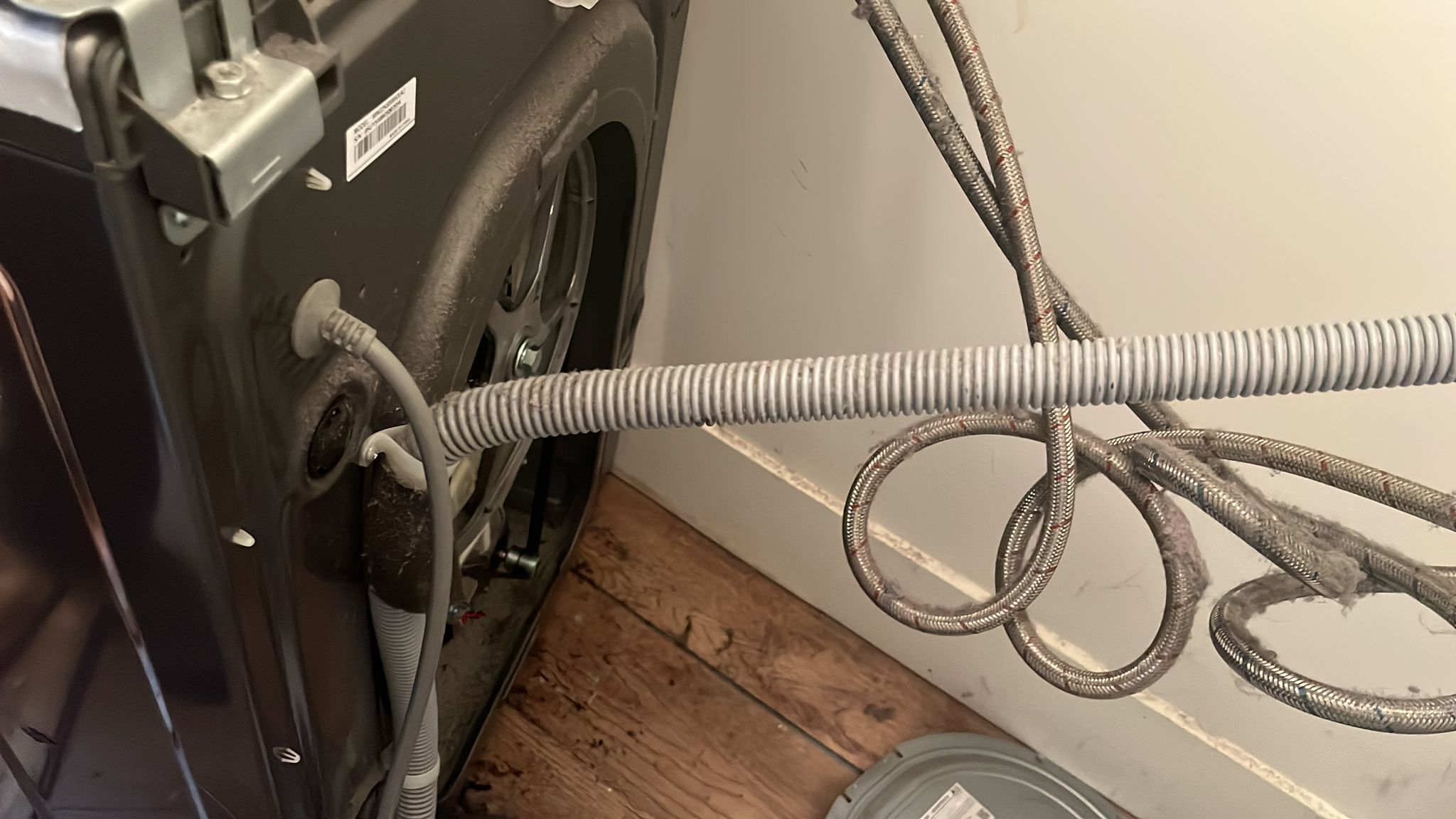
Water leaking from your washing machine can be a big problem, but most of the time, it’s easy to fix. The first thing to check is the hoses at the back of the machine. Make sure they’re tightly connected and not damaged. If you see any cracks or leaks in the hose, you’ll need to replace it. A worn-out door seal is another common cause of leaks, especially on front-loading washers. If the seal is damaged, water can leak out during the wash cycle.
If your washing machine is overfilled with water, it might be due to a faulty water inlet valve controlling how much water enters the drum. If the valve is broken, too much water might flow in, causing leaks. Make sure to check the valve regularly and replace it if necessary. Finally, check if your washing machine is level. If it’s sitting unevenly, it can cause water to spill out during the wash cycle.
Washing Machine Doesn’t Spin
If your washing machine isn’t spinning, your clothes will stay soaking wet after the wash, which is a real inconvenience. This can happen if the machine is overloaded or if the load is unbalanced. Try removing some clothes and ensuring everything is evenly distributed in the drum. Another reason for the machine not spinning could be a broken belt. The belt helps the drum spin, and if it’s broken, the machine won’t be able to spin properly.
You should also check the lid switch, especially if you have a top-loading washer. If the washer thinks the lid is open, it won’t spin. If none of these things work, you may need a professional repair to check the motor, transmision, or other parts.
Clothes Are Still Wet After Cycle
If your clothes come out of the washer still wet, it means the machine didn’t spin or drain properly. First, check if you overloaded the machine. Too many clothes can prevent the washer from spinning correctly. Try washing smaller loads. Another issue could be with the drain. If the drain hose is clogged, the water won’t be able to leave the drum, leaving your clothes wet. Check the hose for any blockages and make sure it’s not twisted or bent.
Sometimes, the problem could be a worn-out belt or a malfunctioning drain pump. If the belt is loose or broken, the machine won’t spin fast enough to remove all the water. If the pump is clogged, it won’t be able to drain the water. Fixing these issues can help get your clothes dry again.
Water Doesn’t Drain
If water isn’t draining from your washing machine, it can leave your clothes wet and your machine full of water. A common cause is a clogged drain hose. Check the hose to ensure it’s not blocked by lint or other debris. The hose can sometimes get twisted or bent, stopping the water from flowing out. Another thing to check is the drain pump. If it’s clogged or broken, water won’t be able to leave the machine.
If the problem isn’t with the washer, it could be with the home’s plumbing. Make sure the pipes are clear and not blocked. If you can’t figure out the issue, you might need to call a professional to check the plumbing or the washer’s pump.
Cycle Takes Too Long
When a washing machine cycle takes forever, it can be really annoying. One possible reason is that you’ve overloaded the machine. If too many clothes are inside, the washer has to work harder, making the cycle take longer. Try washing smaller loads. Another thing to check is the delay start feature. Sometimes, this setting is turned on by accident, which can make the wash take longer than expected.
In some machines, an open door or lid can also cause the cycle to take longer. Make sure the door is fully closed, and the settings are correct. If the problem continues, it could be a timer or drainage problem, and you might need professional help.
Foul Odors from the Washing Machine
A smelly washing machine can make laundry unpleasant. This usually happens when mould or bacteria build up inside the washer. To fix this, you can run an empty wash cycle using hot water, a washing machine cleaner, or a mix of vinegar and baking soda. Be sure also to clean the detergent drawer and rubber gasket, as dirt and soap can collect there and cause bad smells.
After every wash, leave the door open so the inside of the washer can dry out. This helps prevent mould from growing. If the smell doesn’t disappear, you might need to check the drain for blockages, which can trap dirty water and cause odours.
Error Codes Displayed
Your washing machine will show an error code when something is wrong. These codes help you figure out what the problem is. Check the user manual for a list of error codes and what they mean. Some codes, like rearranging clothes or checking for a blocked hose, are easy to fix. However, other codes might point to a more serious issue that needs professional repair.
If the code isn’t clear, you can call the manufacturer’s customer support for help. By understanding error codes, you can fix problems faster and avoid more serious damage to your washer.
Fabric Damage or Snagging
If your clothes are getting damaged or snagged in the washer, it could be because the machine is overloaded. When the drum is too full, clothes can get caught between the door and the drum, causing tears. To prevent this, wash smaller loads and check the drum for any sharp edges that could damage fabric.
Also, make sure you’re using the right settings and detergent. For delicate items, using a mesh laundry bag to protect them during the wash cycle is a good idea.
Water Temperature Issues
If your washing machine isn’t heating the water properly, your clothes might not get as clean. First, check if the machine’s water heater is working. If it’s broken, you’ll need to replace it. Another cause could be the thermostatic controls, which help regulate water temperature. If these controls aren’t working, the machine won’t heat the water correctly.
Also, check that your washer’s water inlet hoses are connected properly. If they’re not, hot and cold water might mix incorrectly. Fixing these problems will help your washer clean clothes more effectively.
Washing Machine Vibrates Excessively
If your washing machine shakes a lot during the wash cycle, it could be because it’s not sitting level on the floor. Check that the machine is on a flat surface, and adjust the feet if needed. An unbalanced load can also cause the machine to shake, so make sure the clothes are spread evenly inside the drum.
If the vibration doesn’t stop, the shock absorbers or suspension springs might be worn out and need to be replaced. These parts help keep the machine steady during the spin cycle. Fixing them will make your washer run more smoothly.
Addressing Common Washing Machine Faults Effectively
By learning how to spot and fix common washing machine problems, you can keep your washer working well and save money on repairs. Regular maintenance, like checking hoses and keeping the machine clean, can prevent problems before they start. Whether it’s a noisy spin cycle or water not draining, taking care of small issues quickly can help your washer last longer and work better.
Related service
Need a technician?
We handle appliance repair across Metro Vancouver and the Lower Mainland. Same-day service usually available.