How to Calibrate Your Oven’s Temperature
How to Calibrate Your Oven
Getting your oven’s temperature right is crucial if you want the best baking results. If your cookies always burn or your soufflé never rises, your oven’s temperature might be off. Many home bakers overlook the importance of oven calibration, but it plays a big role in how well your food turns out. An accurate oven makes cooking and baking more enjoyable and leads to more consistent results. Learning how to calibrate your oven is a simple and effective way to improve your baking.
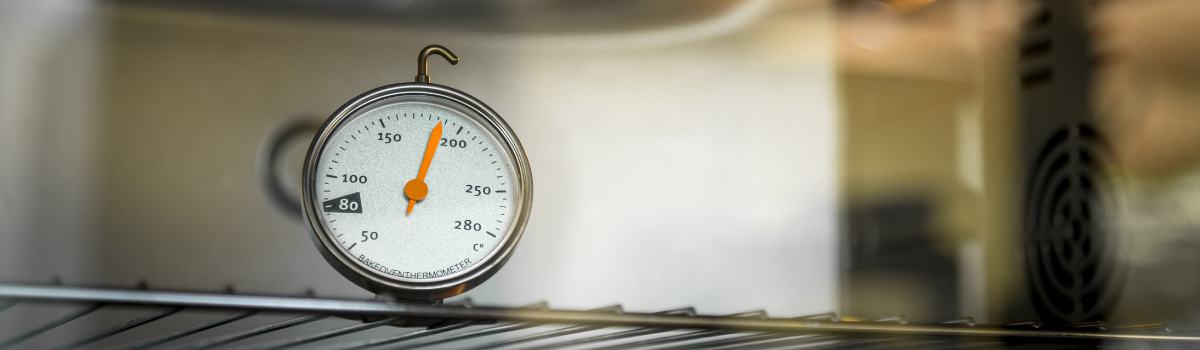
First, use an oven thermometer to check your oven’s temperature accuracy. Place the thermometer inside, set the oven to a specific temperature, and see if the reading on the thermometer matches what you set. If the numbers don’t match, your oven may need calibration. Adjusting the temperature usually means tweaking your oven’s settings until they align with the thermometer. Checking for hot spots is also a good idea, as these can cause uneven baking. Calibrating your oven might seem complicated, but it’s not as hard as it looks. With some simple tools and a little patience, you can get your oven’s temperature on track. Regularly calibrating your oven can prevent future problems, and while it’s often a task you can handle yourself, knowing when to call a professional can save you time and frustration. Good calibration is key for any baker who wants to try new recipes confidently.
How to Tell If Your Oven Temperature is Inaccurate
Accurate oven temperature is essential for baking success. If your cakes are always overbaked or your muffins are still raw in the middle, it might be time to check your oven’s temperature. Calibration can help you get consistent results every time.
Start by using a reliable oven thermometer. Place it inside the oven, set the oven to a specific temperature, and give it time to heat up. Once it’s at the right temperature, compare the thermometer’s reading to what you set on the oven. If there’s a noticeable difference, it’s time to calibrate. Some ovens have built-in features that make this process easier, while others require you to adjust the settings manually.
It’s smart to check your oven’s temperature accuracy regularly, not just when something seems off. This helps keep your oven performing well over the long term. If you’re not sure how to calibrate, consult your oven’s manual or ask a professional for help.
You might have hot spots or other temperature problems if your food isn’t cooking evenly. A consistent problem with baking results clearly indicates that calibration is needed. Keeping an eye on your oven’s temperature isn’t just about better food—it’s also about using energy more efficiently. Using a thermometer helps you catch problems early, and a few adjustments can make sure your oven gives you consistent, tasty results every time you cook.
How to Calibrate Your Oven’s Temperature for Better Baking
Knowing how to calibrate your oven is key to perfect baking results. Regular calibration can help you avoid common baking mistakes from incorrect temperatures. The first step is to see if your oven’s temperature is accurate, which you can do with an oven thermometer. Place the thermometer inside, set your oven to a certain temperature, and compare the readings. If they don’t match up, it’s time to calibrate.
Look at your oven’s manual for specific calibration instructions, which can differ depending on the model. Typically, you can access temperature settings through the control panel, but some ovens might need you to adjust the thermostat manually. Make small changes to the temperature settings until the oven’s heat matches the thermometer’s. Test your changes by baking something simple, like cookies or a basic cake, to see if the results are even. Calibrating takes some patience, but it’s worth it. Checking your oven’s temperature regularly not only improves the quality of your baking but also helps your oven last longer.
Checking for Hot Spots in Your Oven
Even baking starts with identifying any hot spots in your oven. Hot spots can cause parts of your dish to overcook while others are left undone. Luckily, it’s easy to find them using an oven thermometer.
Preheat your oven to 350°F (or 180°C) and place the thermometer in different spots inside. After preheating, check the readings. If there are big differences between areas, your oven has hot spots that need attention.
Calibrating the oven can help fix these hot spots. Calibration ensures that the oven’s settings match the actual temperature inside, which is important for recipes needing precise heat. Adjusting the temperature settings can help distribute the heat more evenly, ensuring every part of your dish cooks properly. Regularly checking for hot spots and adjusting as needed can improve your baking.
Professional Oven Calibration Tips
Getting the temperature right is a big part of baking well, and calibration can make all the difference. A properly calibrated oven helps your cookies, cakes, and bread turn out great every time. It also keeps your appliance working well for longer. Here are a few tips to calibrate your oven like a pro.
First, understand why calibration matters. If your oven’s temperature isn’t accurate, you’ll likely end up with unevenly baked food, which can be frustrating. Frequent baking mishaps could mean it’s time for calibration. Although professionals can ensure perfect accuracy, there are also DIY steps that can save you time and money.
A good oven thermometer is a must-have tool. It helps you find out your oven’s actual temperature to adjust it as needed. Even though calibrating your oven might sound complicated, it’s usually simple enough for most people. If you need help, there are many online tutorials to guide you.
Whether you have an older oven or a new model, it is important to do it right. With the right tools and a little effort, calibration can become part of your routine maintenance, helping your oven stay reliable for years.
Adjusting an Electric Oven
Knowing how to adjust your electric oven is essential for the best baking results. Start by using an oven thermometer to see if your current temperature is accurate. Place the thermometer inside, preheat the oven to 350°F, and let it sit for 10-15 minutes. If the thermometer reading doesn’t match the oven’s display, you must make some adjustments.
Electric ovens have a built-in calibration feature, usually accessible through the control panel. Check your oven’s manual to find out how to change the settings. Most models allow you to adjust the temperature in five-degree increments. Follow your oven’s instructions carefully, as adjustment options can vary.
After making changes, test the temperature again using the thermometer. It might take a few tries to get it just right. Proper calibration ensures that your oven heats consistently, giving you better and more reliable baking results. Checking your oven’s calibration every few months is a good practice, as it helps maintain your oven’s quality and the accuracy of your baking.
Troubleshooting Common Calibration Issues
It’s normal to run into problems when getting your oven’s temperature just right. Troubleshooting these issues is essential if you bake a lot and rely on accurate temperatures. Knowing what to look for can help you fix any issues. Common problems include inaccurate temperature readings and uneven heating, which can mess up your baking if not corrected.
To keep calibration accurate, regularly check your oven’s temperature. Temperature fluctuations are common, so learning how to adjust your oven’s settings is important. If you notice ongoing issues, it might indicate deeper problems. Normal use can cause the controls to shift over time, requiring recalibration. Getting to know your oven’s settings can help you spot problems early.
If you’re not sure how to handle calibration, the user manual is your best friend. Ovens differ—some have digital displays while others use manual knobs—so adjusting your specific model properly is crucial. Regular temperature tests help make sure your oven runs smoothly.
For those who value precise baking, staying ahead of potential temperature issues is key. If manual fixes aren’t solving the problem, professional help might be needed. Regular checks and routine maintenance can help you manage calibration issues, leading to better baking results.
Maintenance Tips to Keep Your Oven Accurate
Proper maintenance and calibration are key to keeping your oven’s temperature accurate. Regular cleaning is a good habit to prevent buildup that can affect heat distribution and throw off the oven’s temperature. Use an oven thermometer every few months to test if your oven’s setting matches the actual temperature. If you find differences, it’s time for calibration.
Consult your oven’s manual for guidance, as calibration methods differ between models. Avoid opening the oven door too often while cooking, as this causes temperature drops. Regular calibration, about every few months, is a great way to keep your baking results consistent. A well-maintained oven also uses energy more efficiently and can last longer.
Keeping a record of your oven adjustments can help spot patterns over time. Fixing any problems as soon as you notice them is the best way to keep your oven accurate. By following these maintenance tips, you’ll ensure your oven is always reliable for all your baking needs.
DIY Calibration or Hiring a Professional
Calibrating your oven can be a fun DIY project, but sometimes it’s better to leave it to the pros. To check if your oven’s temperature is correct, use an oven-safe thermometer, preheat the oven, and compare the thermometer’s reading to the set temperature. If they don’t match, calibration might be needed. Many ovens let you manually adjust the temperature, making DIY calibration easy. However, always check your oven’s manual for specific steps, as methods vary.
If you’re facing constant problems like uneven baking or unpredictable temperatures, it’s time to think about getting professional help. A specialist has the right tools and knowledge to handle more complicated issues. While DIY calibration is tempting for its cost savings, some problems require professional expertise to avoid causing more damage.
A well-maintained oven works better and lasts longer, saving you money in the long run. Consider the pros and cons of doing it yourself versus hiring a professional. Knowing when to ask for expert help will keep your oven in top condition, ensuring accurate temperatures and smooth operation for all your baking projects.
Related service
Need a technician?
We handle appliance repair across Metro Vancouver and the Lower Mainland. Same-day service usually available.